Precise Inspecting
Radon testing & inspectionRadon in well waterHome inspection
- PA DEP Certified radon testing firm: 3445
- PA DEP Certified radon tester: 3295
DEP-certified contractors that install, service and test radon mitigation systems in York and York County, with the work each one takes on stated plainly.
Call (223) 21-RADONOne number for York County. Tell us your test result and get pointed to a DEP-certified mitigator.
This site lists the radon mitigation and radon testing companies that serve York, PA and York County, and every one of them is on the Pennsylvania DEP certified list. DEP certification means the state has examined the installer or tester and licenses them to do the work; Pennsylvania requires it of anyone paid to mitigate or measure radon. Each listing says what the company does, where it works and how to reach it.
Radon testing & inspectionRadon in well waterHome inspection
Radon testing & inspectionHome inspection
Serves York, Red Lion, Dallastown, Shrewsbury
Radon testing & inspectionHome inspection
Radon testing & inspectionHome inspection
Radon mitigation systemsRadon testing & inspectionFan replacement, repair & serviceHome inspection
Radon mitigation systemsNew construction & passive systems
Radon testing & inspectionHome inspection
Radon mitigation systemsRadon testing & inspectionHome inspection
Radon mitigation systemsRadon testing & inspection
Serves Gettysburg
Radon mitigation systemsRadon testing & inspectionNew construction & passive systems
Radon mitigation systemsRadon testing & inspectionFan replacement, repair & service
Radon mitigation systemsFan replacement, repair & service
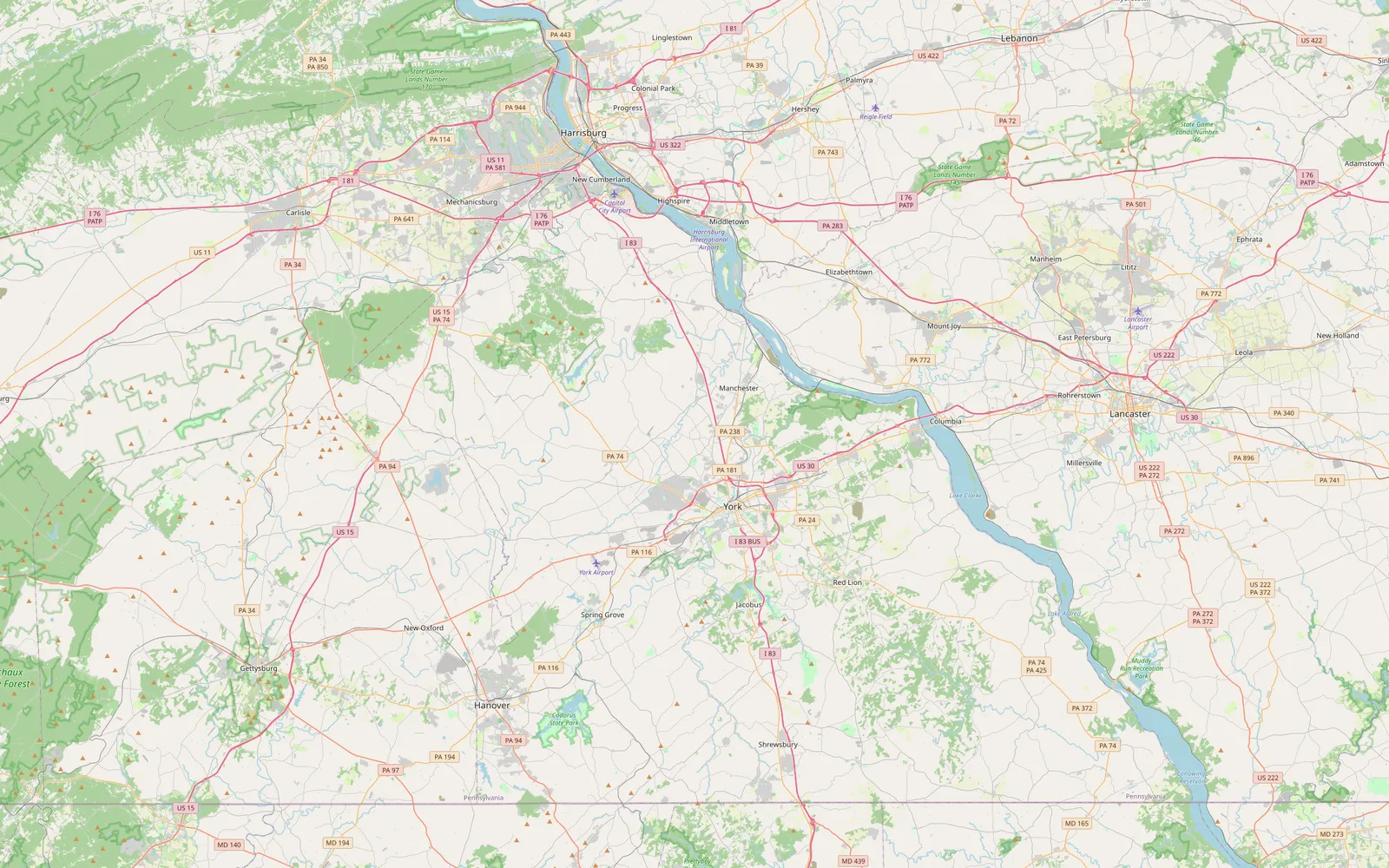
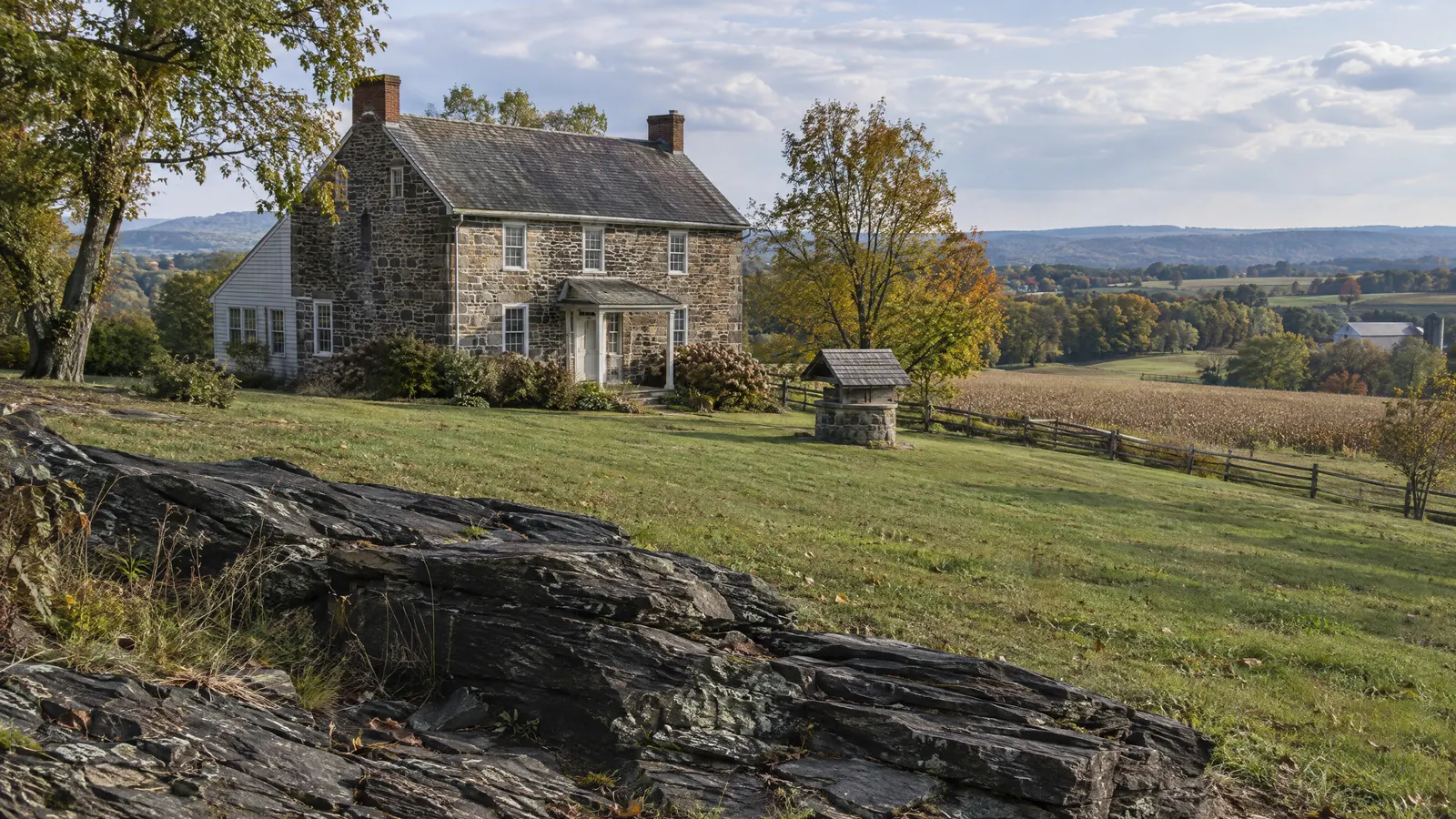
York County is in EPA Zone 1, the highest-risk band, and DEP's test records back that up: 52.5% of the 98,845 York County radon tests reported to DEP from 1986 to July 2026 are at or above the EPA action level of 4.0 pCi/L, against 33.7% statewide. The median basement test in the county is 4.9 pCi/L; see radon levels by ZIP code. The geology is the reason. The Piedmont limestone and carbonate belt under York itself, the Peach Bottom slate in the southern townships and the shale and sandstone to the north all release radon from uranium in the rock, and the gas moves up through the soil and into any house with a slab, a basement or a crawl space.
Most calls are about one of four things:
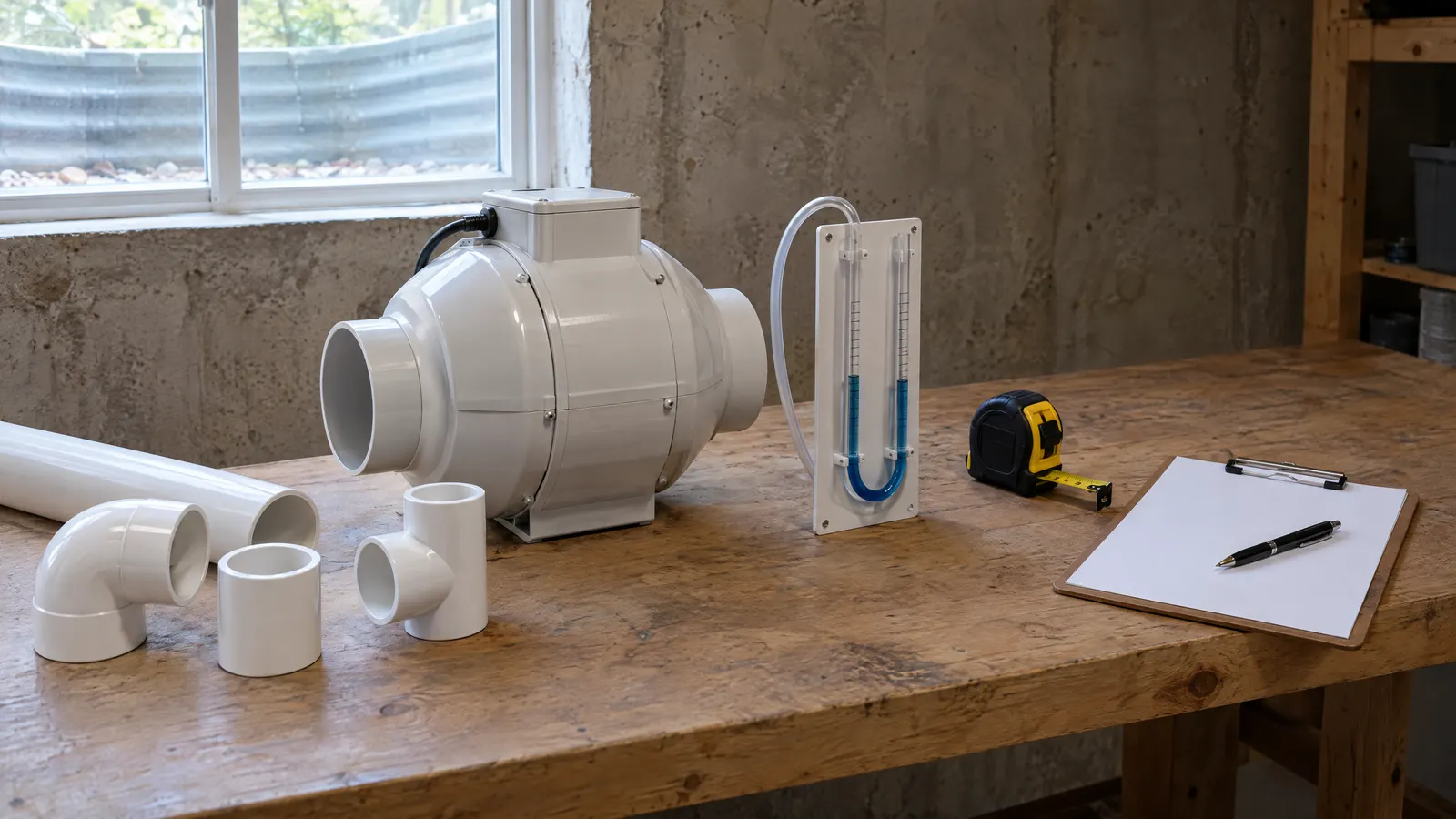
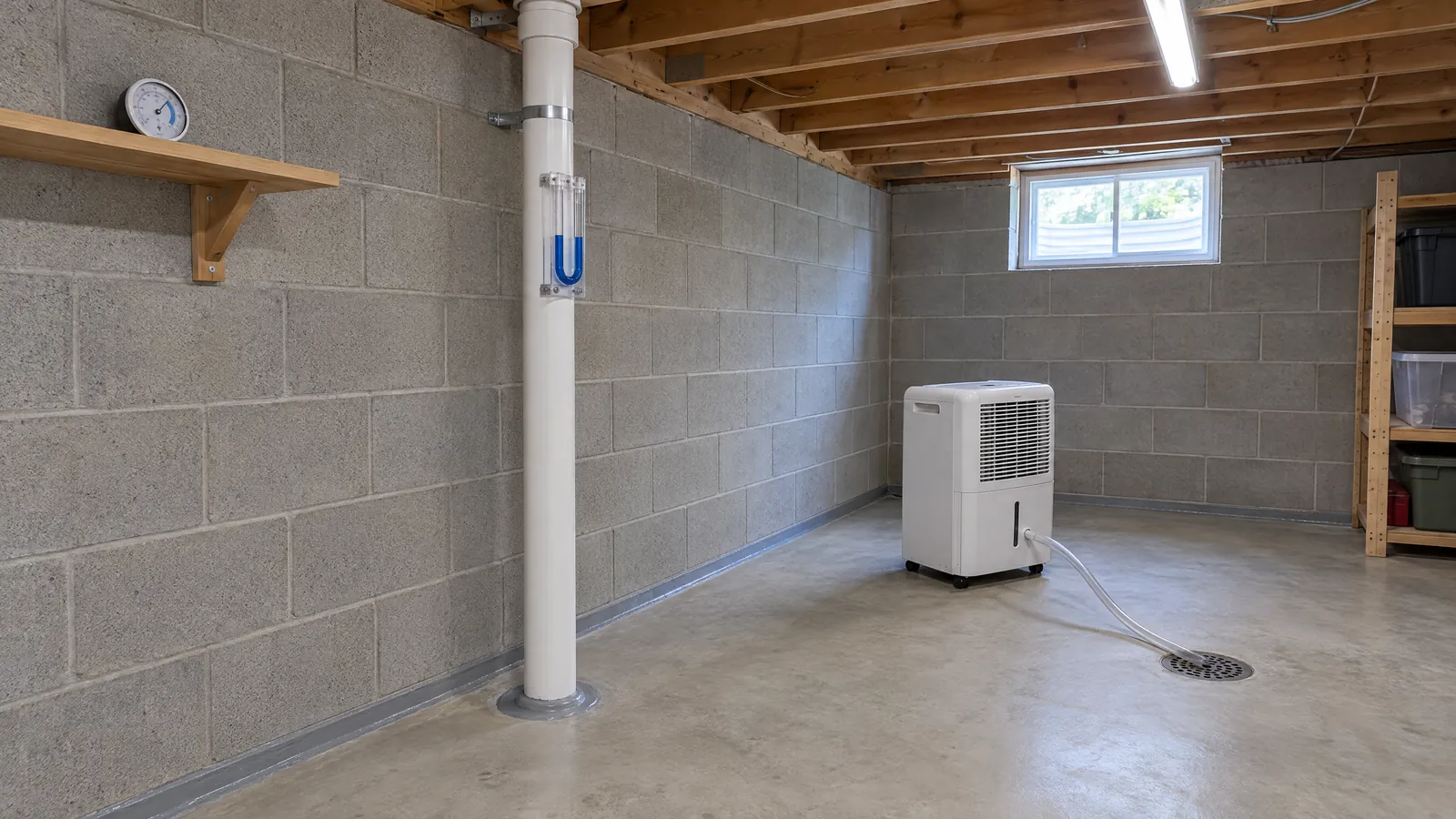
In Pennsylvania anyone who tests for or mitigates radon for pay must be certified by the Department of Environmental Protection under the Radon Certification Act (Act 43 of 1987). Testing and mitigation are separate certifications, and the companies listed here fall into three groups. Mitigation contractors design and install the system, usually active sub-slab depressurization: a suction point under the slab, PVC pipe up and out, a fan that runs continuously, and a manometer that shows it is pulling. Most also test before and after and service fans. Testing-only firms and home inspectors measure radon with a continuous monitor or charcoal kit and write the report, which is what you want for an independent number, especially in a real-estate deal. Water treatment firms handle radon in well water, a separate problem that is common in rural York County.
Whoever you call, the job should end with a post-mitigation test showing the house under 4.0 pCi/L, and ideally under 2.0. A quote that does not include the fan, the manometer and a follow-up test is not a complete quote. Radon reduction, radon removal and radon abatement all mean the same thing on this site: a mitigation system, installed by someone the DEP has certified.
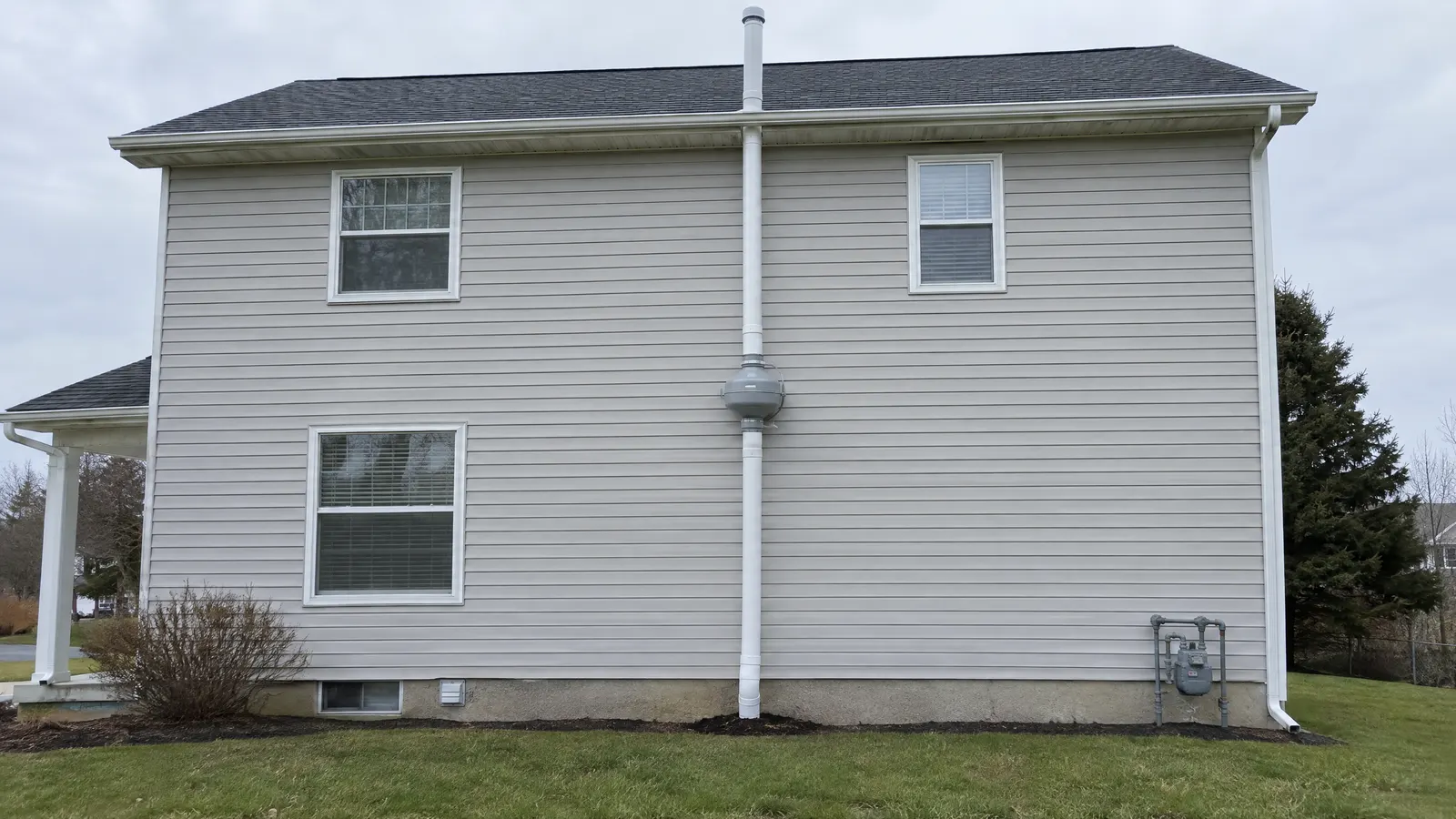
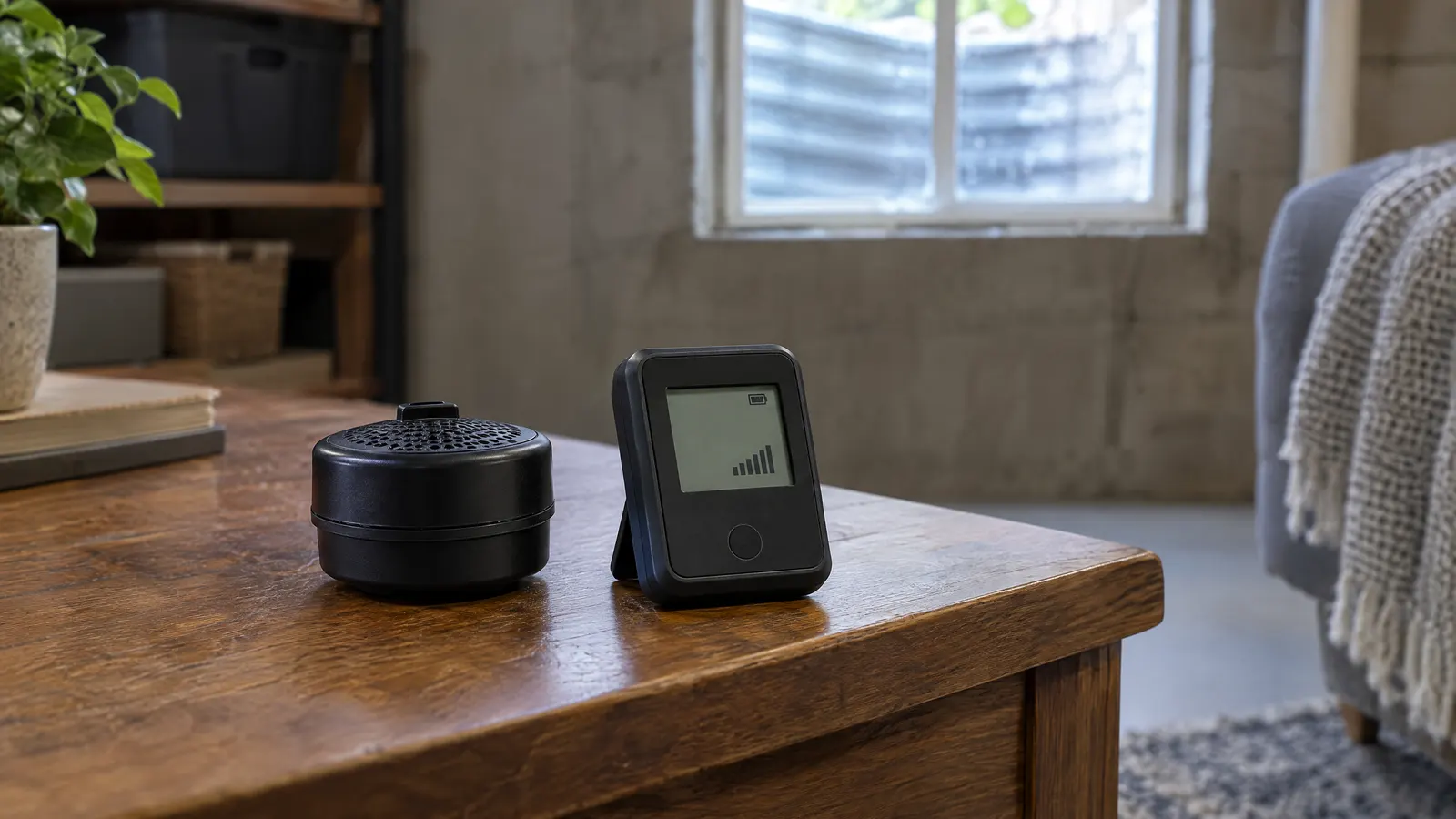
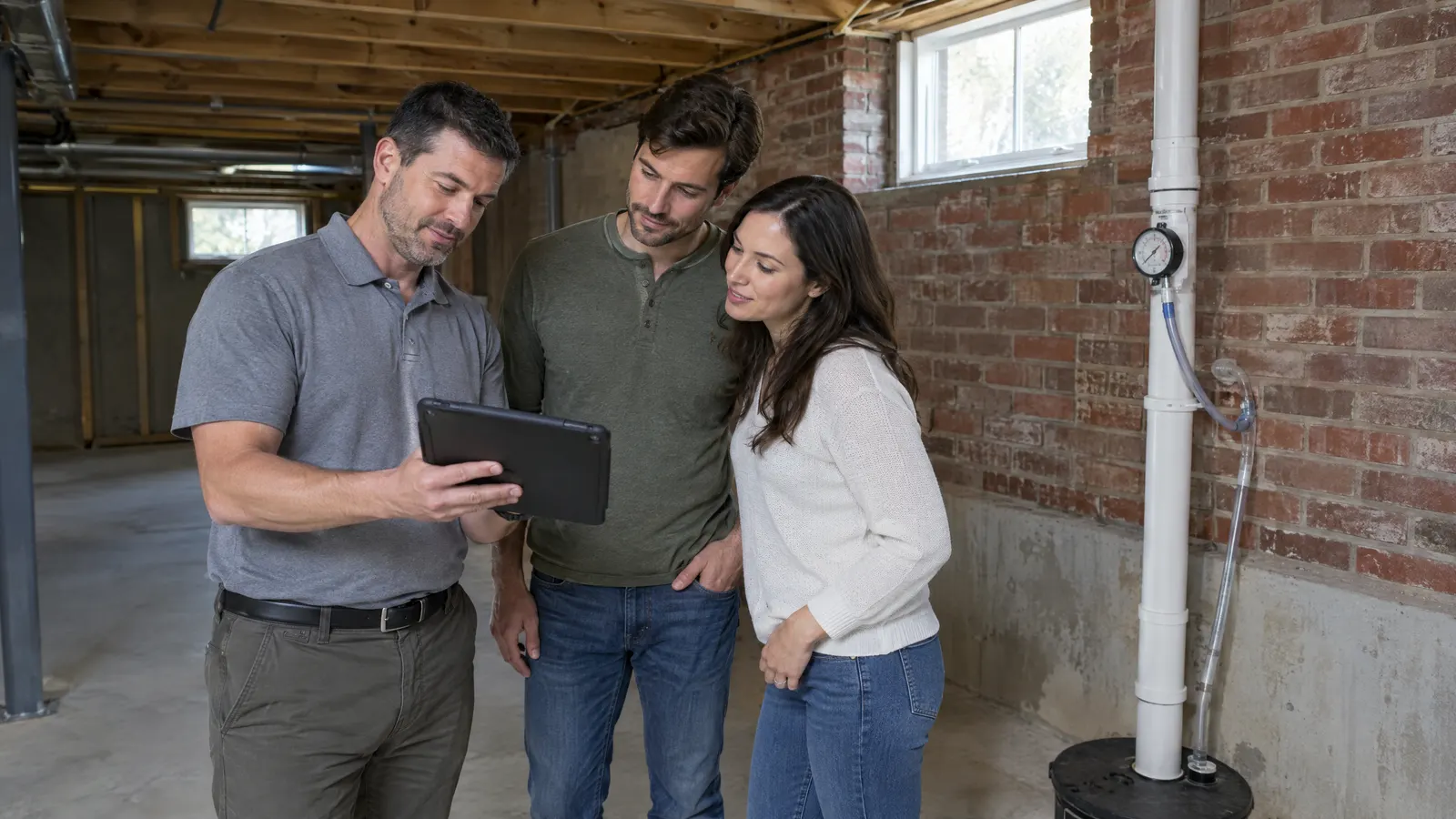
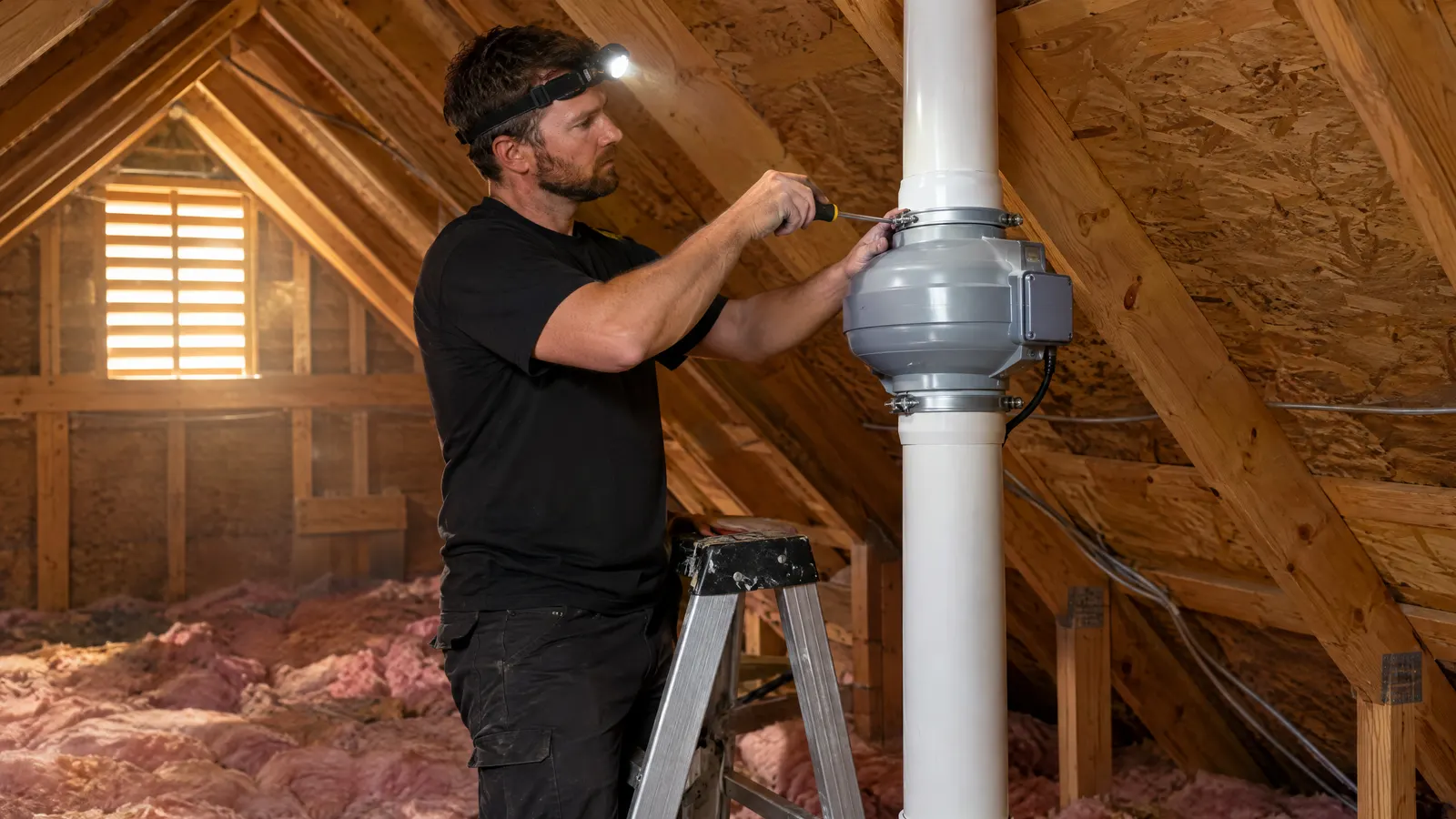
Yes. An active sub-slab depressurization system, which is what nearly every house in the York area gets, typically cuts radon by 80 to 99 percent.
In York and York County, a standard system on a house with a basement runs about $875 to $2,200 installed, with most quotes landing between $1,200 and $1,800. Crawl spaces, slabs with no sump, houses that need two suction points, or a fan that has to go through the roof push the number up.
It is safer than living in one without. A mitigation system does not mean the house is dangerous; it means the house tested high once and someone fixed it.
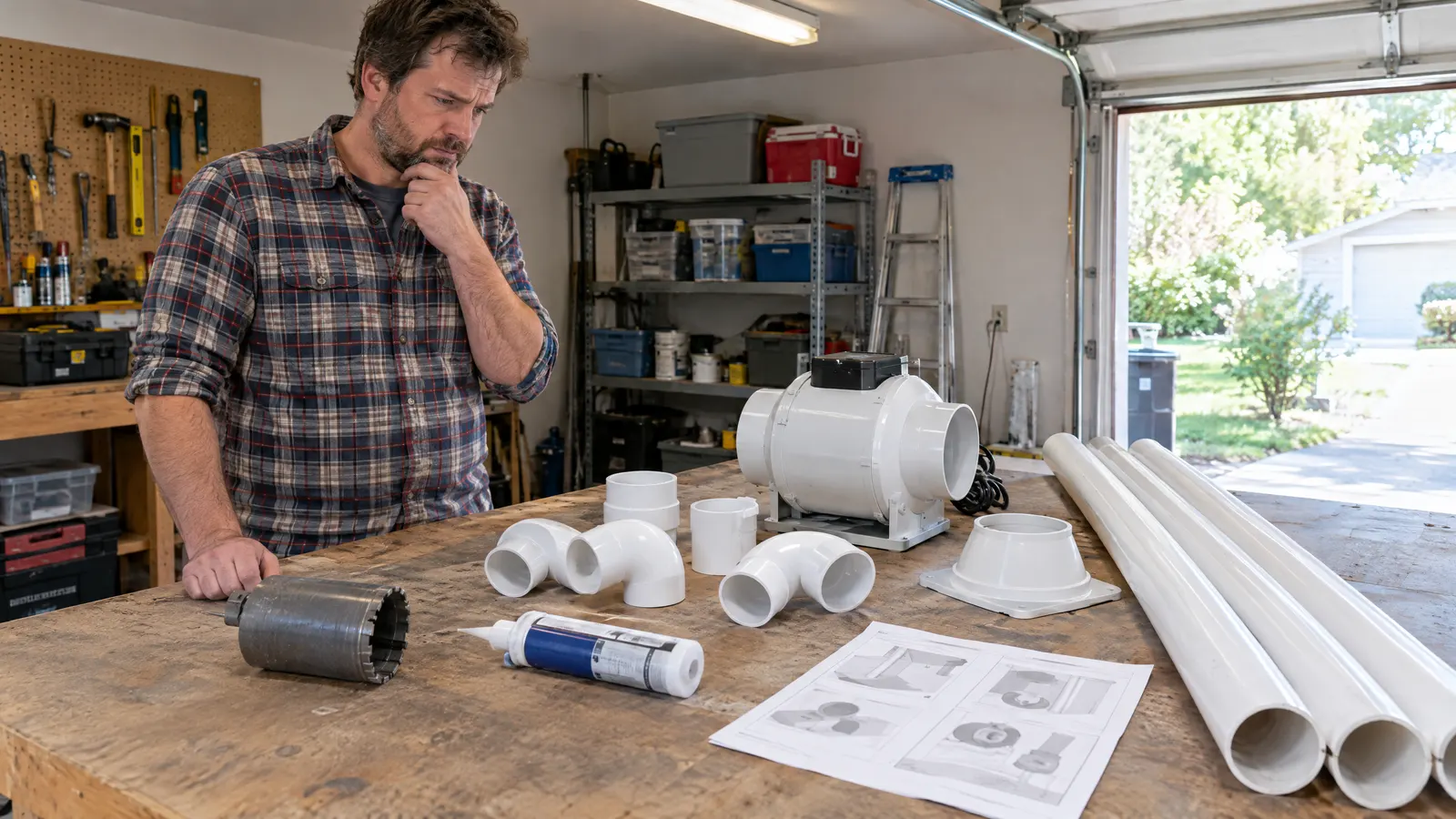
Legally, a Pennsylvania homeowner may install a system in their own home; the Radon Certification Act only covers people who do the work for pay. Practically, it is a job most people should not take on.
Pennsylvania is consistently near the top, along with Iowa, Ohio and the northern Rocky Mountain states. By DEP's estimate about 40 percent of Pennsylvania homes are above the EPA action level, against a national figure of about one in fifteen.