Enviroquest
Fan replacement, repair & serviceRadon mitigation systemsRadon testing & inspectionHome inspection
- PA DEP Certified radon mitigation firm: 1725
- PA DEP Certified radon testing firm: 1725
- PA DEP Certified radon mitigator: 1512
Replacing a failed radon fan, fixing a manometer that reads level, quieting a noisy system, adding a suction point, and re-testing an existing system.
Read the guide: Radon fan replacement, repair and passive system activation
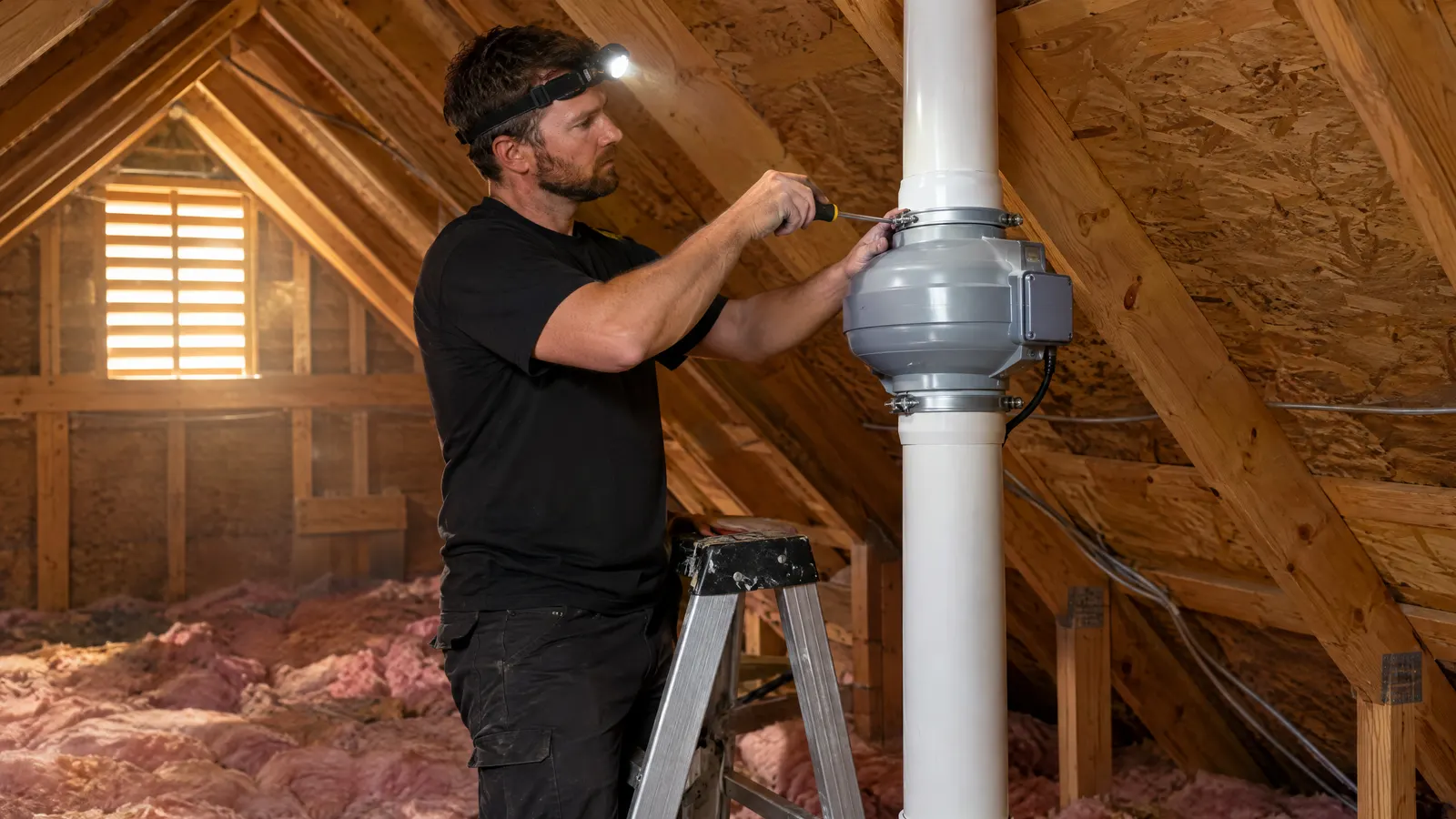
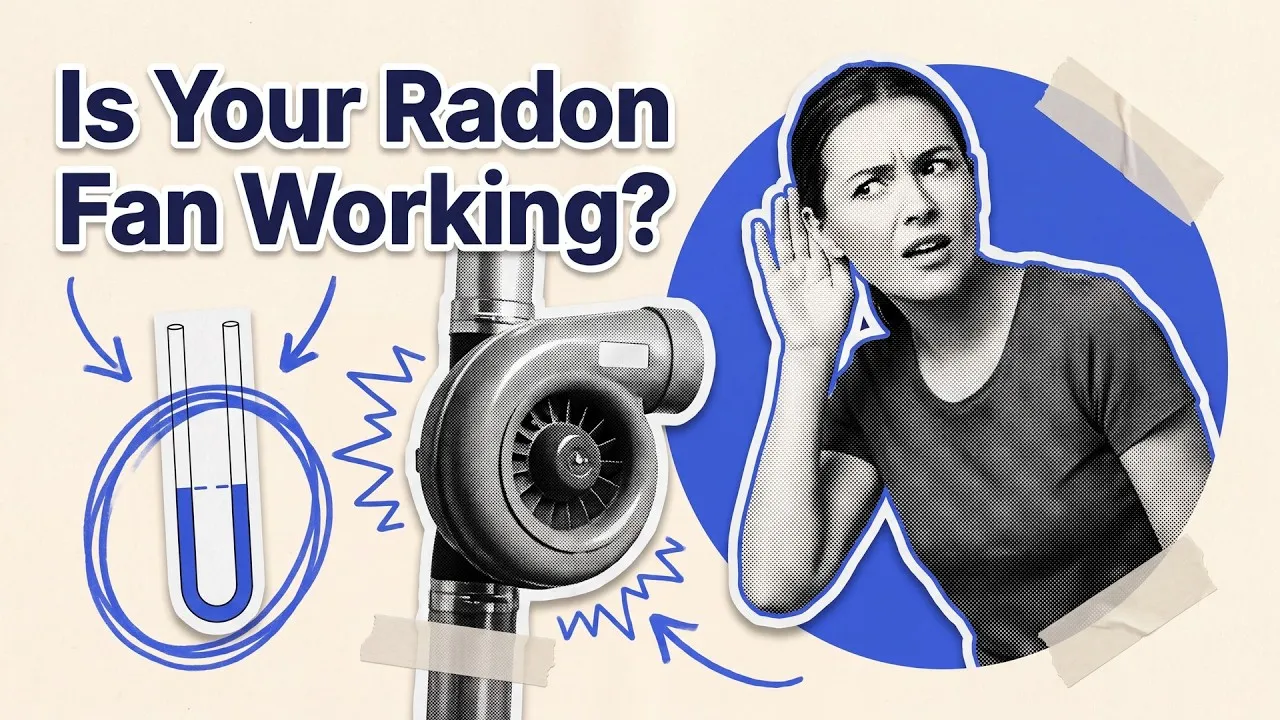
Three signs tell you the fan has gone. The manometer on the pipe reads level, with both columns of liquid at the same height, which means no suction. The fan is silent, where a working one hums at the unit. Or it has become loud, rattling or vibrating, which is the bearings going. A follow-up test that comes back high again with the fan running points somewhere else: a cracked slab, a failed sump lid seal, or a renovation that changed the pressure balance. Fans last roughly ten years, less outdoors, and any DEP-certified mitigator can service any system, whoever installed it.
The fan is the only part of a radon system that wears out. It runs continuously and draws about 50 to 90 watts. Failure looks like a silent fan, a fan that has become loud, or a manometer whose liquid reads level, which means no suction. A follow-up test that comes back high again is the other sign.
Fan replacement is usually a $300 to $600 job. The contractors in this category also fix noisy systems, add a second suction point when one is not pulling the whole footprint, and re-test after the work. Many of them also activate a builder's passive rough-in by adding a fan, which is covered under new construction.
The fan guide explains what failure looks like and what to do with the pipe the builder left.
Fan replacement, repair & serviceRadon mitigation systemsRadon testing & inspectionHome inspection
Fan replacement, repair & serviceRadon mitigation systemsRadon testing & inspection
Fan replacement, repair & serviceRadon mitigation systems